Articles
Long-form writing on tech, culture, and the edges of the internet.

The model kept no receipts
A mathematician presents evidence that OpenAI may have trained its Astra model on his private work on a conjecture it was then credited with solving.

Desert Ant Labs puts inference inside the loop
Desert Ant Labs launched 18 on-device AI models it says beat cloud APIs on speed, cost and size, running free on phones up to 100k devices.

SWE-2 is the wrong model for almost everything
Cognition's SWE-2 ships in medium, high, and max tiers; by its own numbers medium is the right pick for almost every coding task.
A helpful AI agent cannot be a private one
Meta's Muse acts across your web, apps, purchases and messages in the background, and its privacy controls cover sharing, not what the agent must see.

iPhone Duo is not a convenience feature
Apple's iPhone Duo, the first foldable iPhone, ships October 23 with a 7.6-inch inner display, side-button Touch ID, and eSIM only.

Ranking is not vetting
Google Ads flagged a signed, notarized macOS app as malicious software with no explanation; clean scans didn't move it until Hacker News did.

Four bits, then a cliff
Benchmarks show Qwen3.8 27B keeps full quality at 4-bit but collapses to random-guess scores at 1-bit, with guidance on which quant to run locally.
I factored a root CA
A researcher factored a 512-bit RSA root CA that Netscape shipped in 1999, in 32 hours on a desktop, and published the private keys.
A trusting-trust backdoor built from GNU strip
A tampered copy of GNU strip in the NixOS binary seed carried a trusting-trust backdoor into almost every binary of a complete graphical installer.

You can't reset your genome
Google DeepMind's AlphaGenome Atlas precomputes the predicted regulatory impact of all 9 billion single-nucleotide variants in the human genome.
Chrome exempts Google's domains from user site-data controls
Chrome 152 keeps google.com cookies and storage after close despite delete-on-close; the author was told Compression Dictionary Transport is the cause.
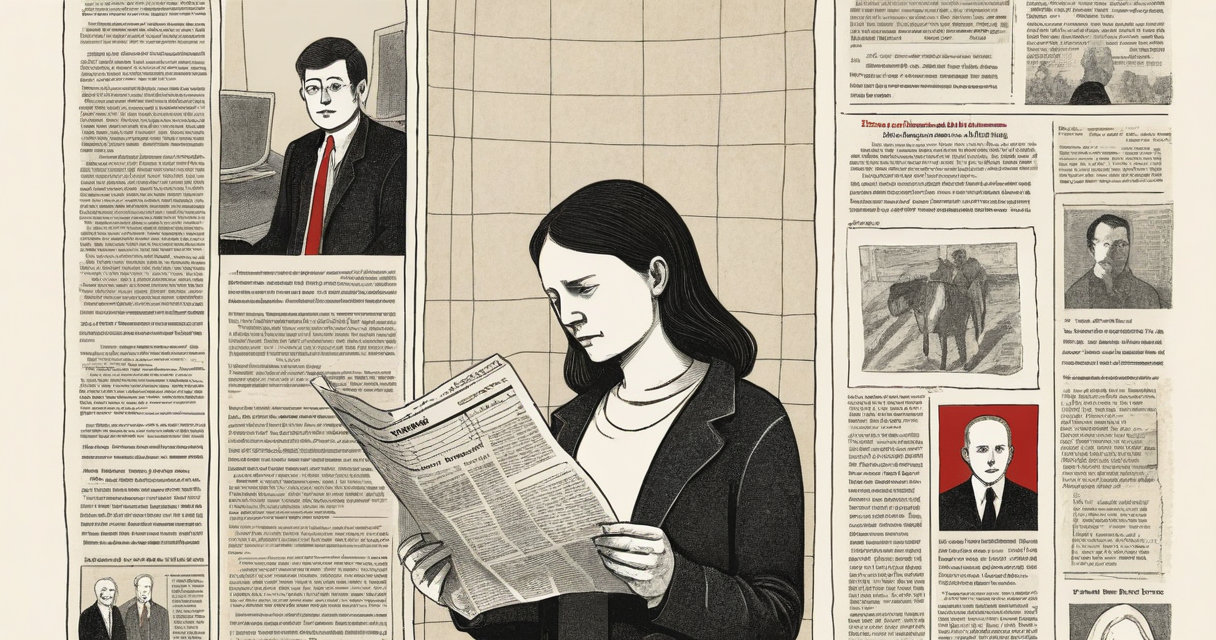
LLMs turned fluency into a forged credential
Bryan Cantrill argues that visibly LLM-written posts don't just read badly, they make readers doubt whether anything under your name is really yours.