CISA flagged the PHP-to-root chain on October 28
Attackers chain PHP2Shell RCE and the Fragnesia kernel flaw to root PAN-OS firewalls with exposed management interfaces; patching the PHP bugs breaks the chain.
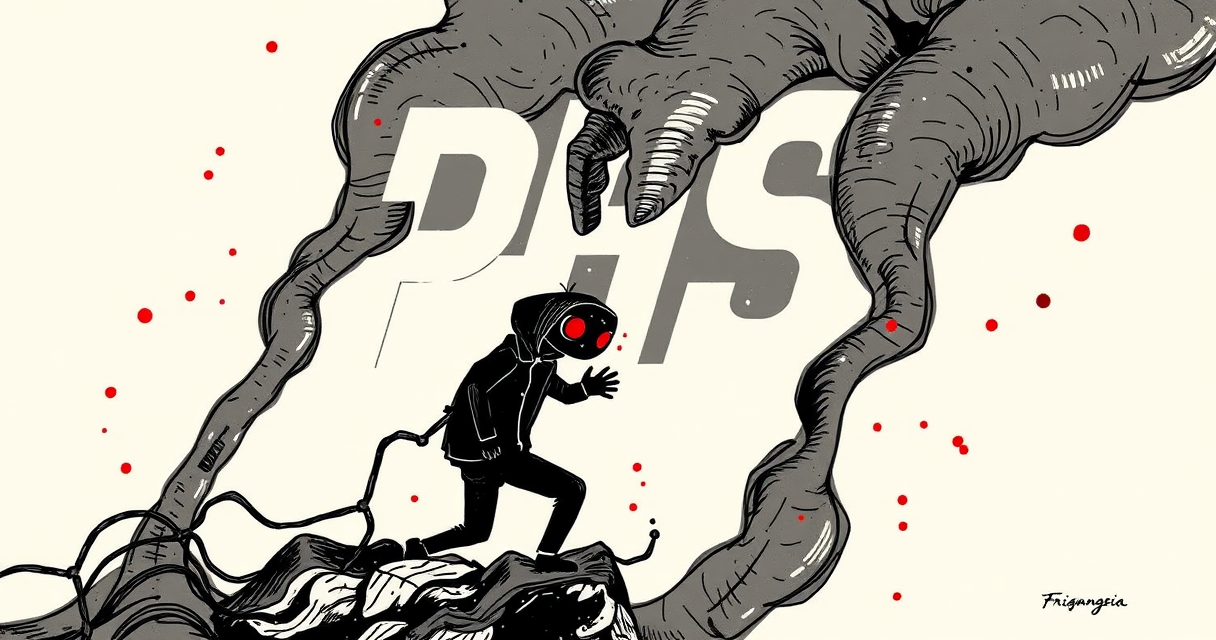
Palo Alto Networks confirmed today that attackers are exploiting CVE-2026-46300, the Linux kernel flaw known as Fragnesia, against PAN-OS firewalls whose management interface is reachable from the public internet. Every case the company observed involved a management interface exposed to the internet.
Fragnesia on its own is a local privilege escalation. CVE-2026-46300 is a bug in the Linux kernel’s XFRM ESP-in-TCP subsystem that lets a low-privileged local user escalate to root. A kernel priv-esc needs code execution on the box first, and that is where the other half of the chain comes in.
The entry point is PHP2Shell, the name for two critical PHP vulnerabilities, CVE-2026-109618 and CVE-2026-109619. Both let an unauthenticated attacker run code remotely with the privileges of the PHP web worker. The attacker drops a webshell as that worker, then uses Fragnesia to climb from the worker’s account to root. CISA’s October 28 alert described exactly this: the two issues chained to deploy PHP webshells and execute commands as root.
Dream Security researchers reported a campaign using the same chain against servers in the United States, Japan, Taiwan, and South Korea, including a U.S. government affiliate. Palo Alto Networks’ advisory confirms the same chain reaching PAN-OS firewalls. Its bulletin states that exploitation of CVE-2026-46300 has been observed targeting the Palo Alto Networks management interface exposed to the internet.
One detail matters for anyone running these devices. Palo Alto says PHP2Shell is the only known way to exploit Fragnesia on PAN-OS, and it is not aware of another path to the kernel flaw. Because the two have to be used together, patching the PHP side shuts the whole chain. Administrators who already applied the updates that fixed PHP2Shell are covered against this attack even before the Fragnesia patch lands.
Palo Alto has released Fragnesia fixes for PAN-OS 10.2, 11.1, 11.2, 12.1, and 12.2. The build that carries the fix differs by release train, so check the advisory for the exact version rather than assuming the latest point release on your branch includes it.
The company also repeats its standing guidance: if you need a remote management interface, restrict it to trusted internal IP addresses. Every exploited device it saw had its management interface on the public internet, which it notes runs against its own recommended configuration. Pulling the management plane off the internet removes the PHP2Shell entry point, and with it the only route to Fragnesia.
Palo Alto did not publish technical details on how the two PHP2Shell flaws are chained together.
Keep Reading
 oracle-ebs
Attackers probed Oracle EBS on October 27
Attackers are probing Oracle EBS CVE-2026-101767, an unauthenticated SQL injection in the TCF servlet that chains to RCE, days after Oracle's patch.
 plex
Plex2Shell exploited within a day
A honeypot imitating a vulnerable Plex Media Server was infected with cryptominers and residential proxy malware within a day of the Plex2Shell exploit going public.
 vulnerabilities
SiteGuard's statistics feature runs attacker commands as root
CVE-2026-106931, a command injection in SiteGuard WAF's default statistics function, is under active exploitation for root or SYSTEM execution.
Latest on the Wire
Full wire →- DeepCrossAttention Cuts AI Training Time up to 3xHacker News
- How Citroën's Hydraulic System Outsmarted Steel SpringsHacker News
- 12-Year-Old NFS Kernel Flaw Allows Unauthenticated Remote Root AccessBleepingComputer
- 2026 Holiday Gift Guide: Ars Staff Picks Books, Bikes, and TechArs Technica
New signal daily · RSS
Stay in the loop
New writing delivered when it's ready. No schedule, no spam.